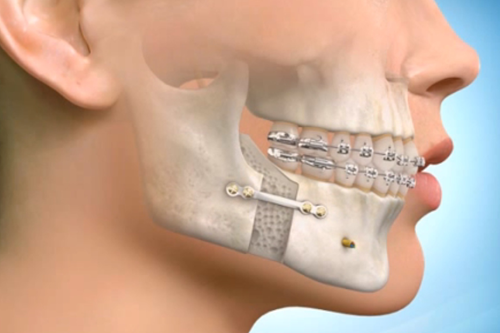

Jaw surgery, also known as orthognathic surgery, is a medical procedure aimed at correcting a wide range of irregularities in the jaw bones and realigning the jaws and teeth to improve both function and appearance عمل جراحی فک. This surgery is often necessary when the jaws do not meet correctly or when there are significant structural issues that cannot be fixed with orthodontics alone.
Why Is Jaw Surgery Needed?
There are several reasons someone might need jaw surgery, including:
-
Correcting bite problems: Issues like underbite, overbite, crossbite, or open bite can cause difficulties in chewing, speaking, and even breathing.
-
Improving facial balance: Jaw misalignment can affect the symmetry of the face, leading to aesthetic concerns.
-
Treating jaw disorders: Conditions such as temporomandibular joint disorder (TMJ) or chronic jaw pain may benefit from surgical intervention.
-
Fixing injury or birth defects: Trauma or congenital abnormalities can lead to jaw deformities that require correction.
-
Enhancing oral function: When the jaw misalignment causes difficulty in biting, chewing, or swallowing, surgery can restore proper function.
What Happens During Jaw Surgery?
Jaw surgery is typically performed by an oral and maxillofacial surgeon. The process involves several steps:
-
Consultation and Planning: Before surgery, the surgeon works closely with an orthodontist to plan the procedure. This often involves X-rays, 3D imaging, and dental impressions to understand the jaw’s structure and plan precise adjustments.
-
Orthodontic Preparation: In many cases, braces are worn before surgery to align the teeth in preparation for the jaw realignment.
-
The Surgery: Under general anesthesia, the surgeon makes precise cuts in the jawbone(s) to reposition them into a better alignment. The jaws are then fixed in place with plates, screws, or wires.
-
Recovery: After surgery, patients typically experience swelling, discomfort, and limited jaw movement for several weeks. A liquid or soft food diet is often necessary during this time.
-
Follow-Up: Post-surgery orthodontic treatment may continue for months to refine the bite and ensure the best results.
Risks and Considerations
Like any surgery, jaw surgery carries risks such as infection, nerve injury (leading to numbness), bleeding, and complications related to anesthesia. However, with experienced surgeons and proper care, these risks are minimized.
Patients must also consider the time commitment, as full recovery can take several months. Emotional and psychological adjustment to changes in appearance may also be part of the process.
Benefits of Jaw Surgery
When successful, jaw surgery can provide life-changing benefits:
-
Improved ability to chew, speak, and breathe.
-
Enhanced facial aesthetics and self-confidence.
-
Relief from jaw pain and headaches.
-
Correction of bite problems that could lead to tooth wear or gum disease.
If you’re considering jaw surgery, it’s important to consult with experienced professionals who can guide you through the process and help you achieve the best possible outcome. The combination of orthodontics and surgery has transformed the lives of many, restoring both function and confidence.
